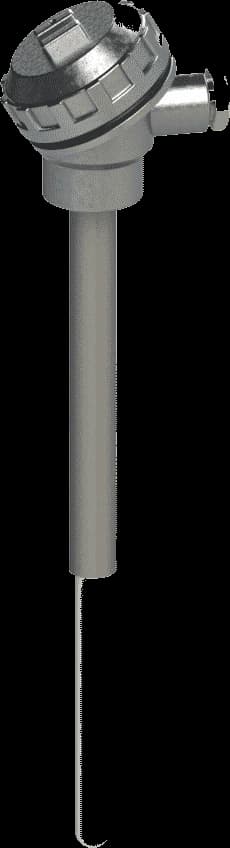
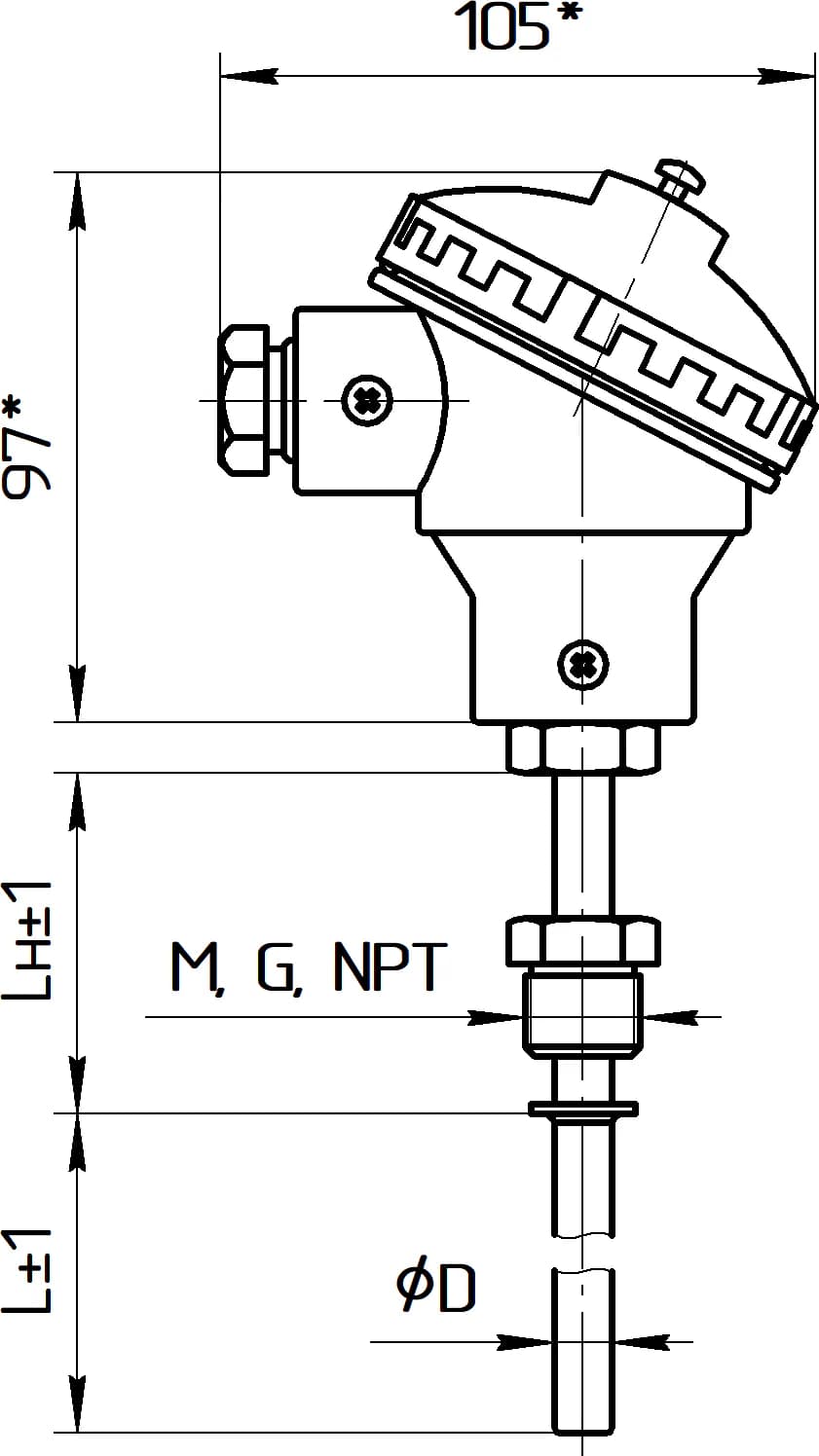
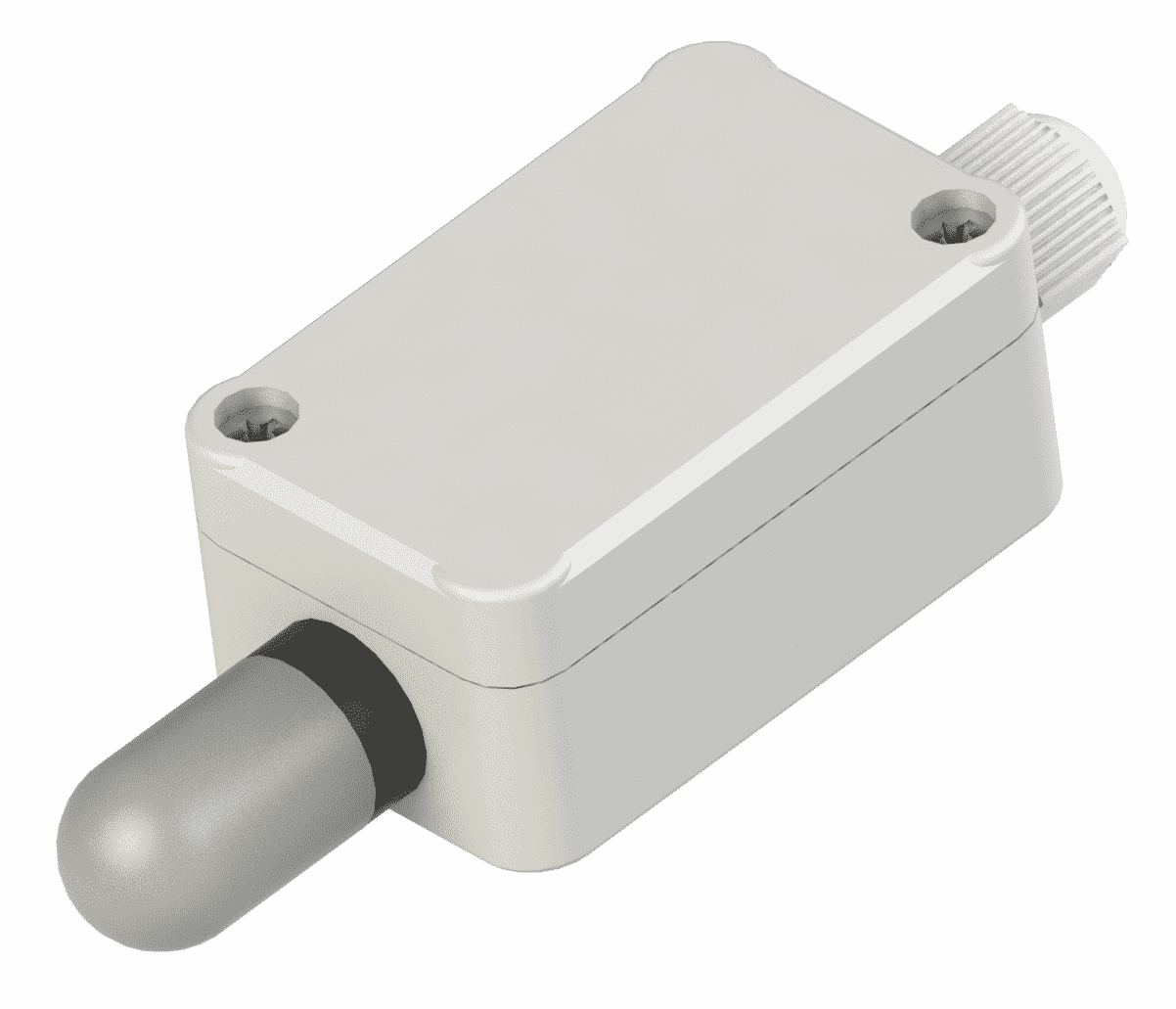
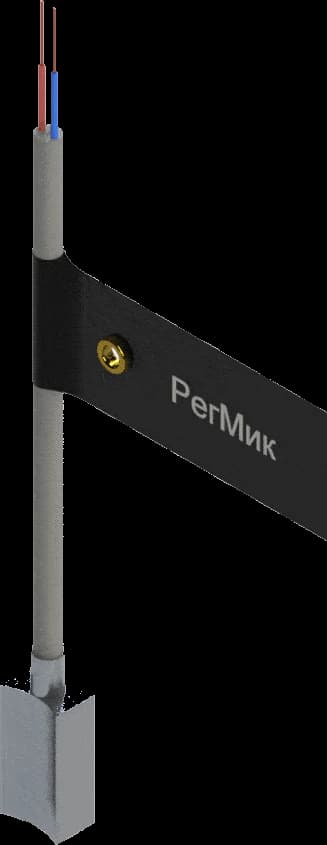
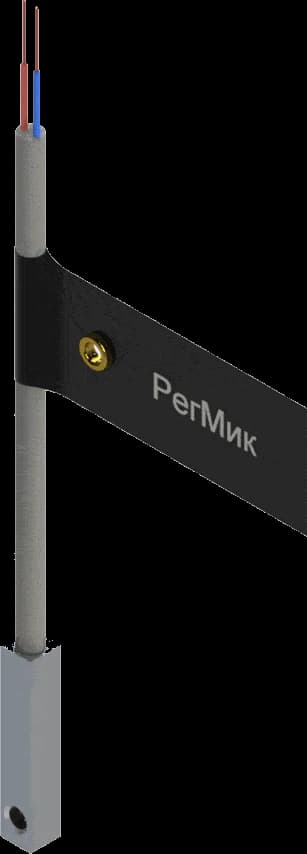
The high-temperature ceramic sensor TXA-021, TXK-021, TZHK-021 is designed for temperature measurement up to 1200 °C. The sensors allow measuring the temperature of gaseous and chemically non-aggressive media with respect to the material of the protective casing. Temperature is the most common measured parameter, and overheating is one of the most harmful factors in equipment operation, so there are many methods and application sites for temperature sensors. Thermocouple operating principle The thermocouple operates based on the thermoelectric Seebeck effect. A thermocouple has two joined ends: one end is placed in the measured medium, called the working or hot junction, and the other end is connected to the device input — the cold junction. Methods for manufacturing the hot junction are shown in Figure 1. When there is a temperature difference between the hot and cold junctions, a thermo-EMF occurs in the circuit, whose value is sent to the device input. Figure 1 - Methods for manufacturing the hot junction The working junction of high-temperature sensors is located inside the protective casing. Thermocouple junctions can have various configurations. They can be grounded or ungrounded, and two-element thermocouples can be insulated or non-insulated. Variants of hot junctions are shown in Figure 2. Figure 2 - Configurations of hot junctions Junction grounding of thermocouples occurs if the thermocouple junction connects to the shell of the primary transducer. Grounded junctions have better thermal conductivity, which increases response speed. However, grounding also makes the thermocouple circuit more vulnerable to electrical interference that can distort the voltage signal if the measuring instrument does not provide electrical isolation. All high-quality measuring transducers and input/output platforms have electrical isolation as standard. A grounded junction is also more susceptible to contamination by chemical impurities over time. Thermoelectric converters with an open junction have a hot junction that protrudes beyond the sealed shell, providing high response speed. Sealing prevents moisture or other contaminants from entering the shell. Such thermocouples are usually used only in non-corrosive gases, for example in air ducts. Ungrounded junctions are formed when the thermocouple elements do not merge with the shell of the primary transducer and are surrounded by insulating powder. Features of the high-temperature ceramic sensor TXA-021, TXK-021, TZHK-021: The presence of a terminal head ensures convenient cable connection to the sensor and protects the connection point. Short-term operation of the sensor is possible at 1200 °C. The sensor is not high-temperature throughout its entire length, so only the ceramic part should be in the hot zone. Avoid impacts on the thermoelectric converter during installation and operation since part of the protective casing is made of ceramic. Not suitable for measuring the temperature of liquids and aggressive gases — vapors of acids, alkalis, etc.