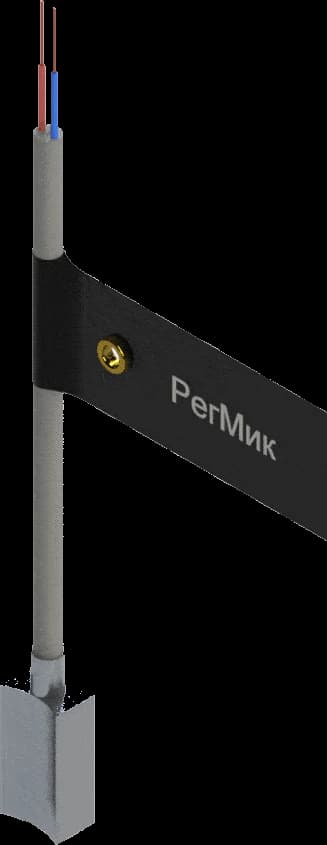
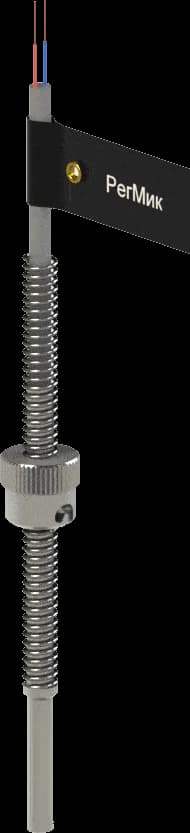
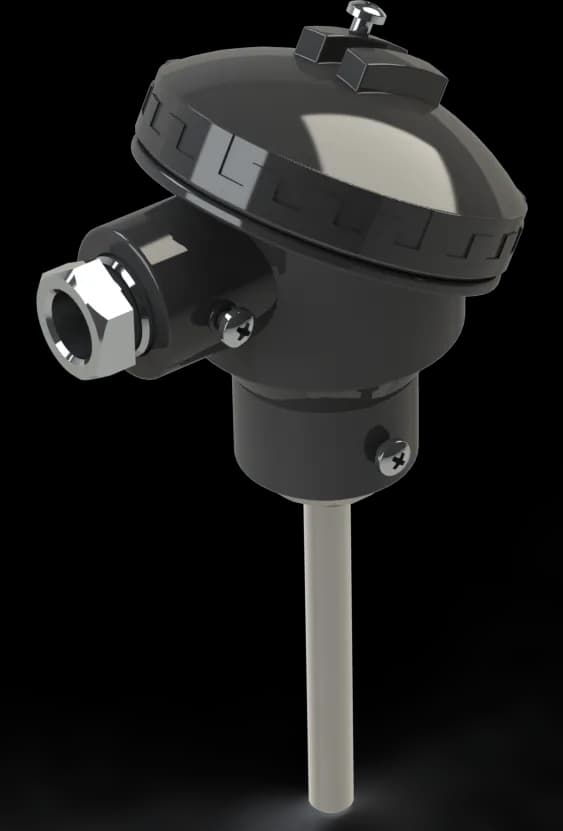
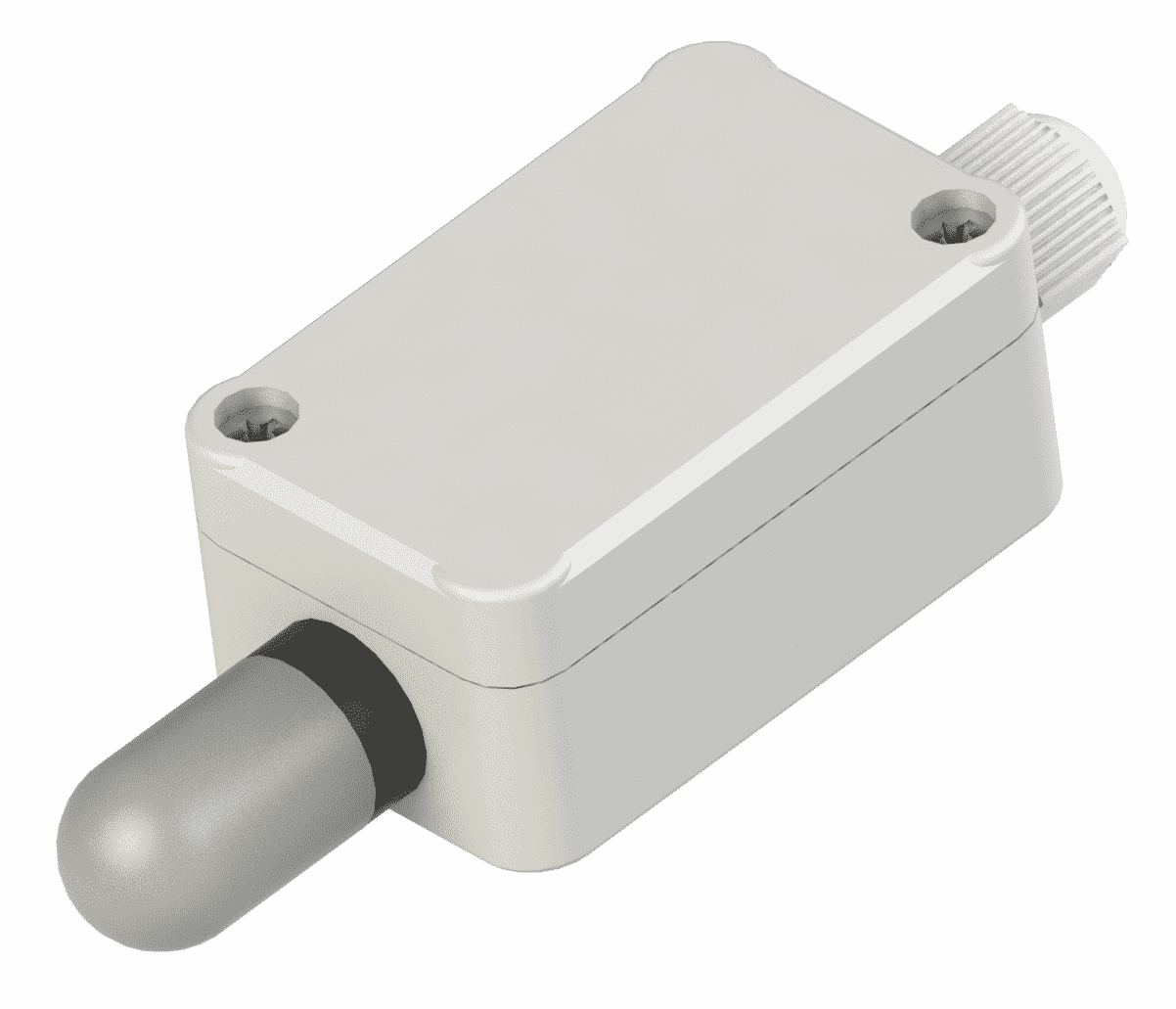
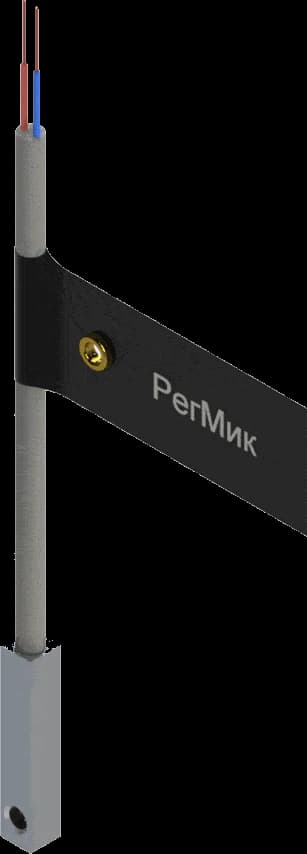
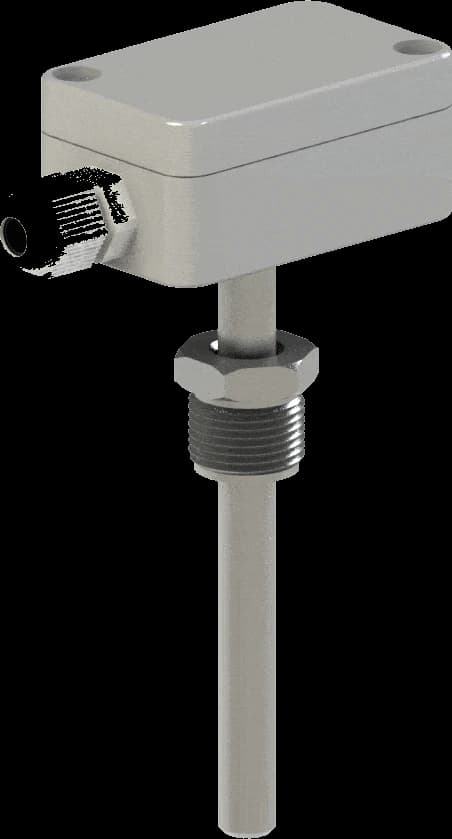
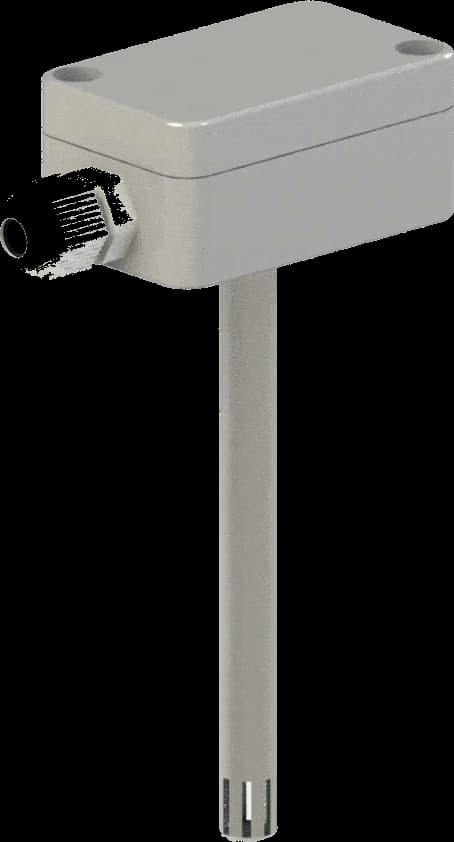
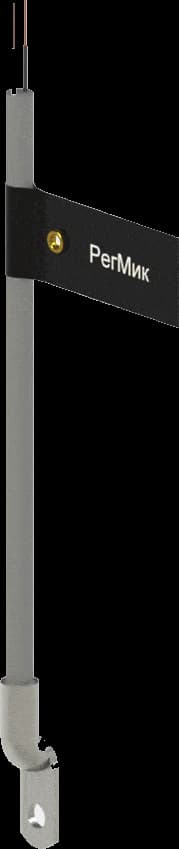
Temperature sensors TSM-204r, TSP-204r, TXA-204r, TXK-204r, TJK-204r
$ 12.13
Category:
Extra Features
Premium Quality
Secure Payments
Satisfaction Guarantee
Temperature sensors TSM-204r, TSP-204r, TXA-204r, TXK-204r, TJK-204r of group 2 are designed to measure the temperature of solid surfaces in various industries. They have small dimensions, improved thermal inertia characteristics, and do not require complex installation work when mounted on site. Temperature is the most commonly measured parameter, and overheating is one of the most negative factors in equipment operation, therefore there is a huge number of methods and applications for temperature sensors. The operating principle of resistance thermometers is based on the change in electrical resistance of conductors and semiconductors depending on temperature. The material from which such a sensor is made should have a high temperature coefficient of resistance, preferably a linear dependence of resistance on temperature, good reproducibility of properties, and inertness to environmental influences. Platinum best meets all the above requirements; copper somewhat less so. Thermocouples are exclusively differential temperature sensors. They generate an electrical signal proportional to the temperature difference between two different points. Therefore, the junction (weld) used to measure the required temperature is called the "hot" junction, while the other unavoidable junction is called the "cold" junction. Classification of temperature sensors TSM-204r, TSP-204r, TXA-204r, TXK-204r, TJK-204r by type of sensing element Resistance thermometers (RTDs) - TSM, TSP; Thermoelectric sensors (thermocouples) - TXA, TXK, TJK; Semiconductor sensors - TP. Main technical characteristics of temperature sensors TSM-204r, TSP-204r, TXA-204r, TXK-204r, TJK-204r: SE connection scheme - two-, three-, four-wire; By type of SE divided into: Resistance thermometers (RTD, temperature resistance sensors, thermometers, temperature sensors) (50M, 100M, 50P, 100P, Pt100, Pt500, Pt1000, Pt2000, Pt10000); Thermoelectric converters (TE, thermoelectric converters, thermocouples, temperature sensors) (TXA(K), TXK(L)); Semiconductors (DS18B20); Degree of protection against dust and water - IP54; Construction of temperature sensors (thermometers) - non-separable; Insulation resistance - not less than 100 MOhm; Tolerance classes - A, B, C (for RTD), 1, 2 (for thermocouples).