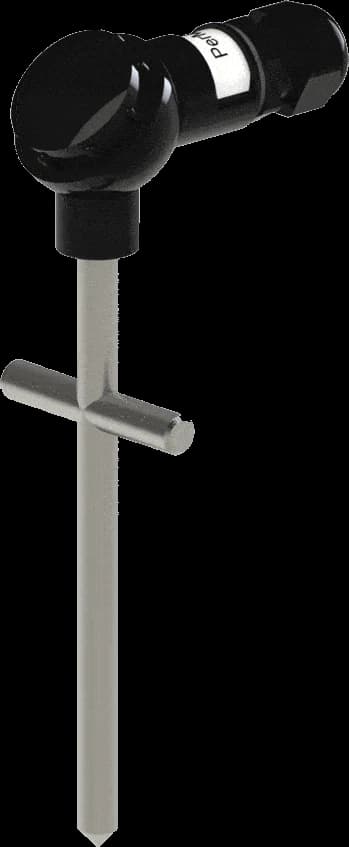
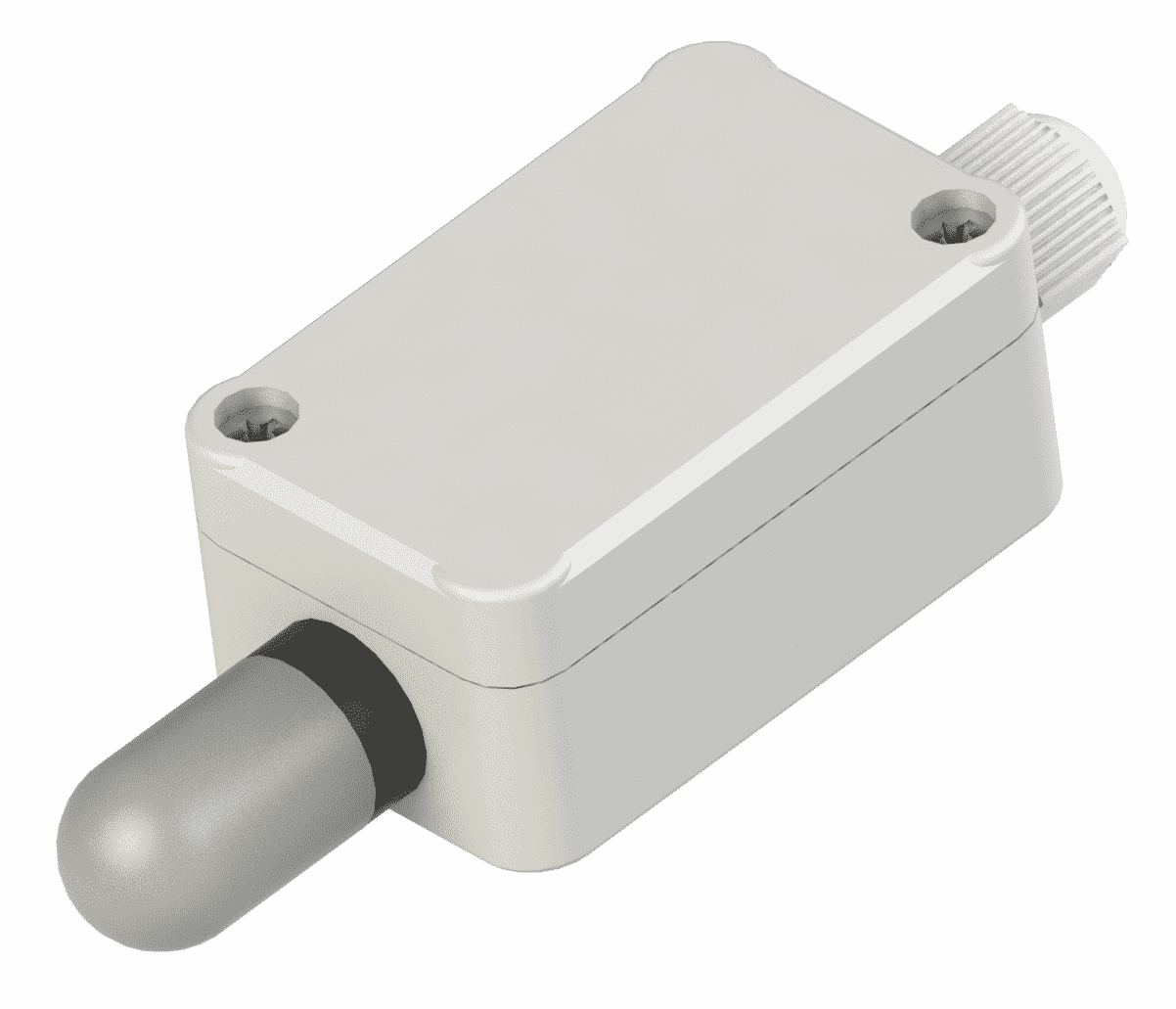
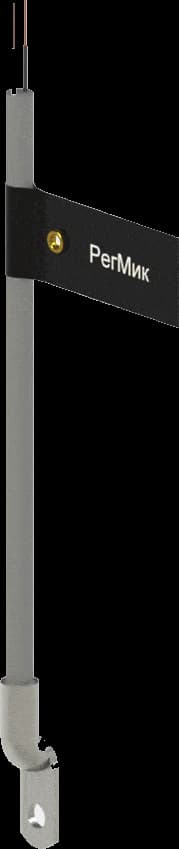
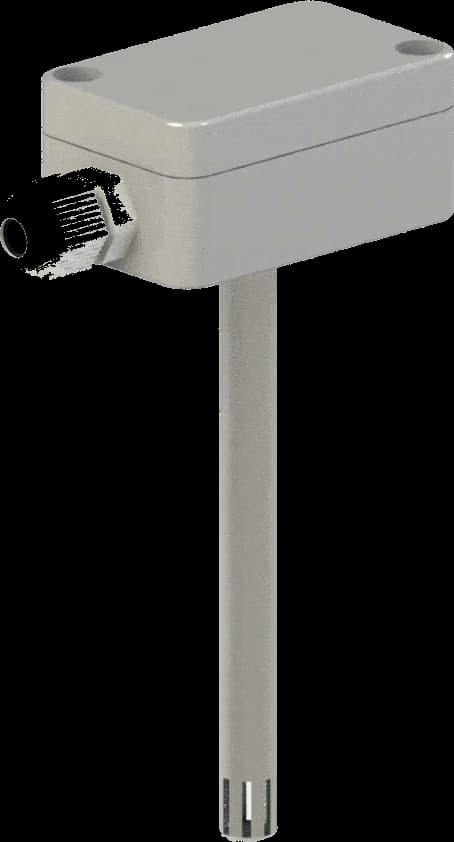
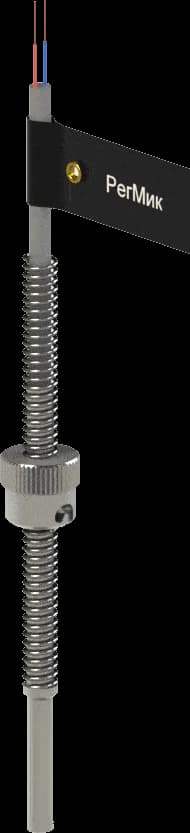
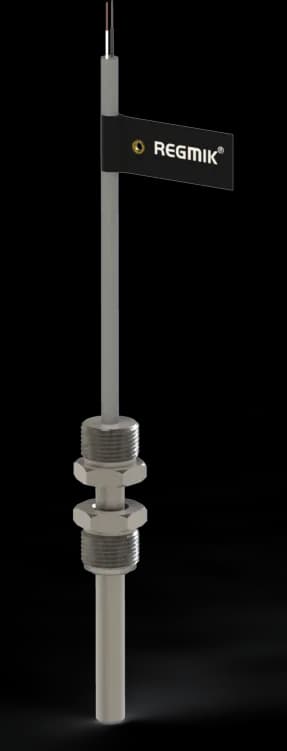
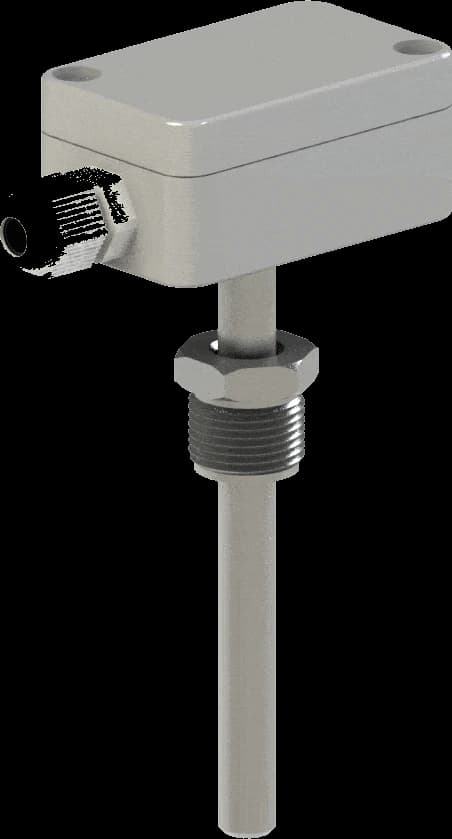
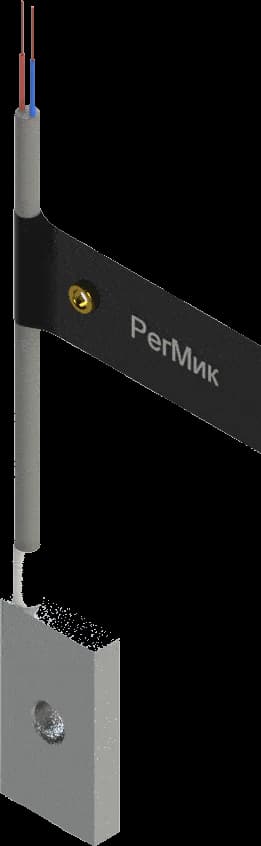
Temperature sensors TSM-004, TSP-004, TXA-004, TXK-004, TJK-004
$ 19.24
Category:
Extra Features
Premium Quality
Secure Payments
Satisfaction Guarantee
Temperature sensors TSM-004, TSP-004, TXA-004, TXK-004, TJK-004 of group 0 are intended for measuring the temperature of ambient air, liquid, gaseous and bulk chemically non-aggressive media, as well as the surface of solid bodies in various industries. Temperature is the most common measured parameter, and overheating is one of the most undesirable factors in equipment operation, which is why there are many ways and places for the application of temperature sensors. The operating principle of resistance temperature detectors (RTDs) is based on the change in electrical resistance of conductors and semiconductors depending on temperature. The material from which the sensor is made must have a high temperature coefficient of resistance, preferably a linear dependence of resistance on temperature, good reproducibility of properties, and inertness to environmental influences. Platinum exhibits all these properties to the greatest extent; copper somewhat less. Thermocouples are purely differential temperature sensors. They generate an electrical signal proportional to the temperature difference between two different points. Therefore, the junction (weld) used to measure the required temperature is called the "hot" junction, while the other junction (which cannot be avoided) is called the "cold" junction. Classification of temperature sensors TSM-004, TSP-004, TXA-004, TXK-004, TJK-004 REGMIK by type of measuring (sensitive) element Resistance temperature detectors (thermometers) - TSM, TSP; Thermoelectric converters (thermocouples) - TXA, TXK, TJK; Semiconductor converters - TP. Main technical characteristics of temperature sensors TSM-004, TSP-004, TXA-004, TXK-004, TJK-004 RTD connection scheme – two-, three-, four-wire; By RTD type they are divided into: Resistance temperature detectors (RTDs) (50M, 100M, 50P, 100P, Pt100, Pt500, Pt1000, Pt2000, Pt10000); Thermoelectric converters (thermocouples) (TXA (K), TXK (L)); Semiconductor (DS18B20); Protective fitting material – stainless steel 12X18H10T; Degree of protection from dust and water – IP54; Thermometer (temperature sensor) construction - non-disassemblable; Insulation resistance – not less than 100 MOhm; Tolerance classes – A, B, C (for RTDs), 1, 2 (for thermocouples).