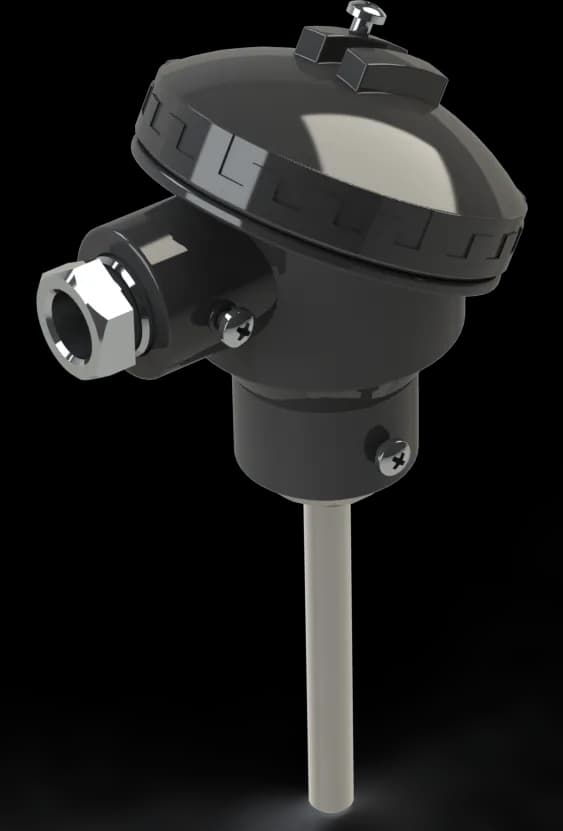
Temperature sensors TSM-001, TSP-001, TXA-001, TXK-001, TZK-001, TP-001
$ 15.20
Category:
Extra Features
Premium Quality
Secure Payments
Satisfaction Guarantee
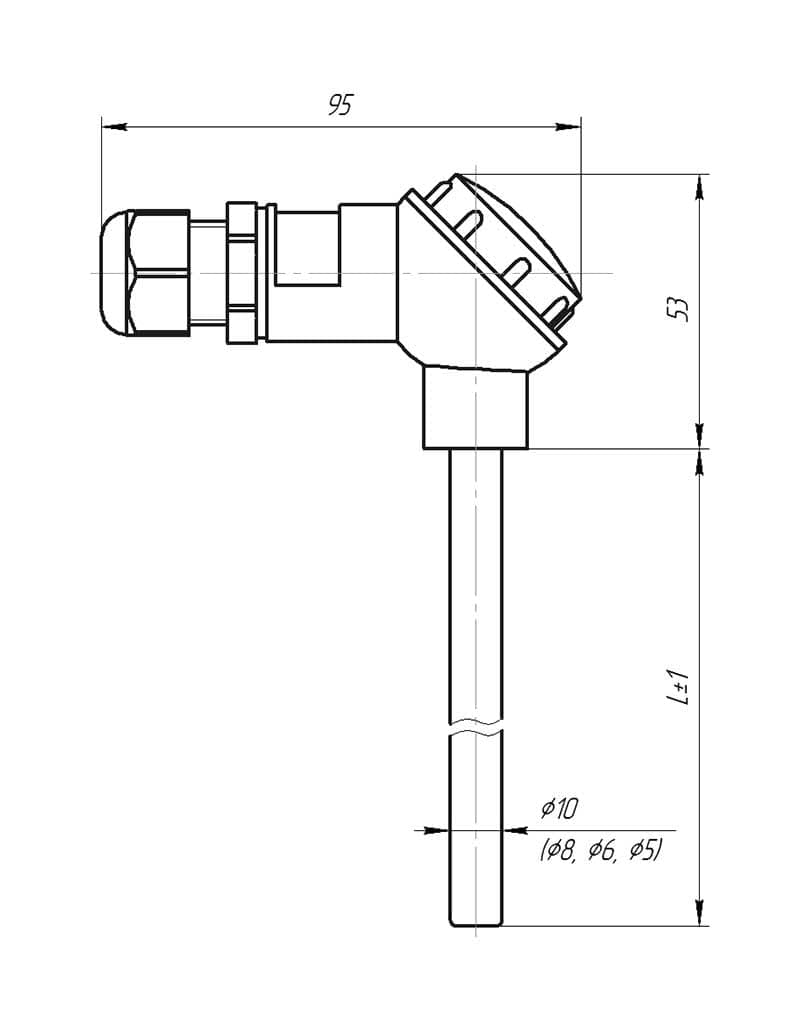
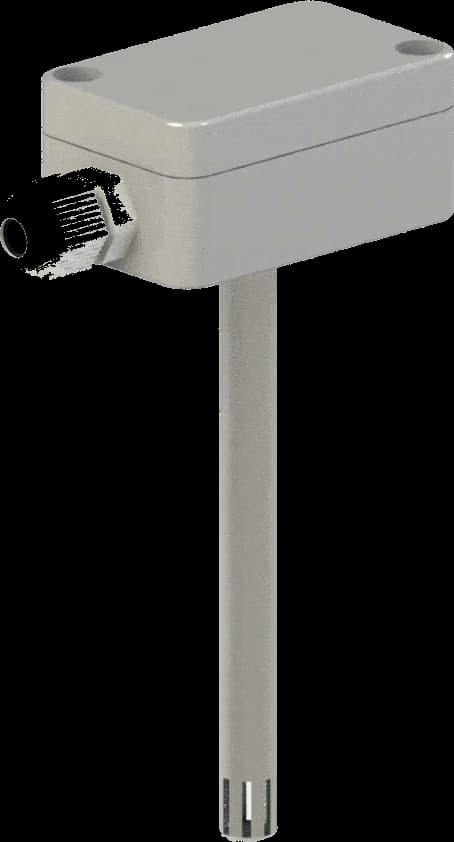
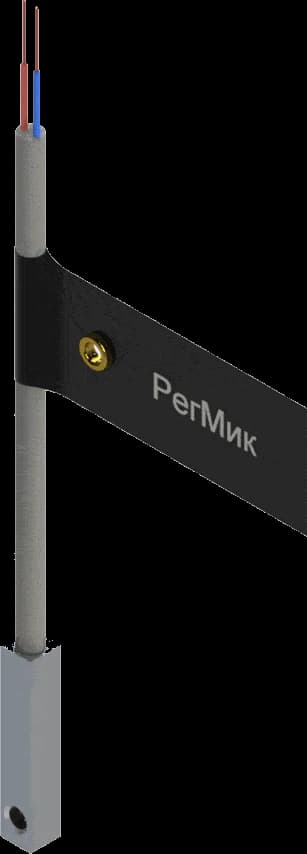
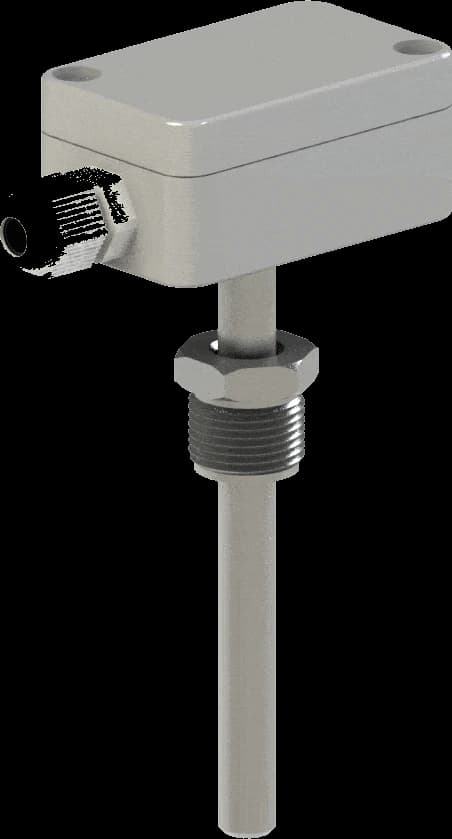
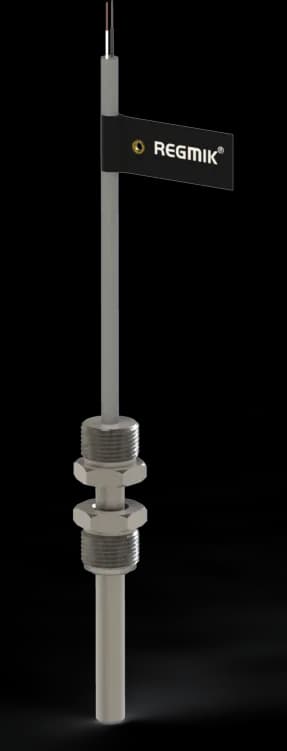
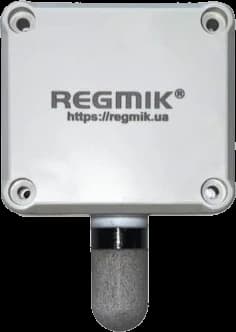
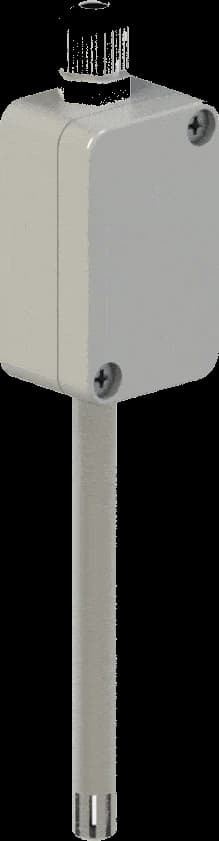
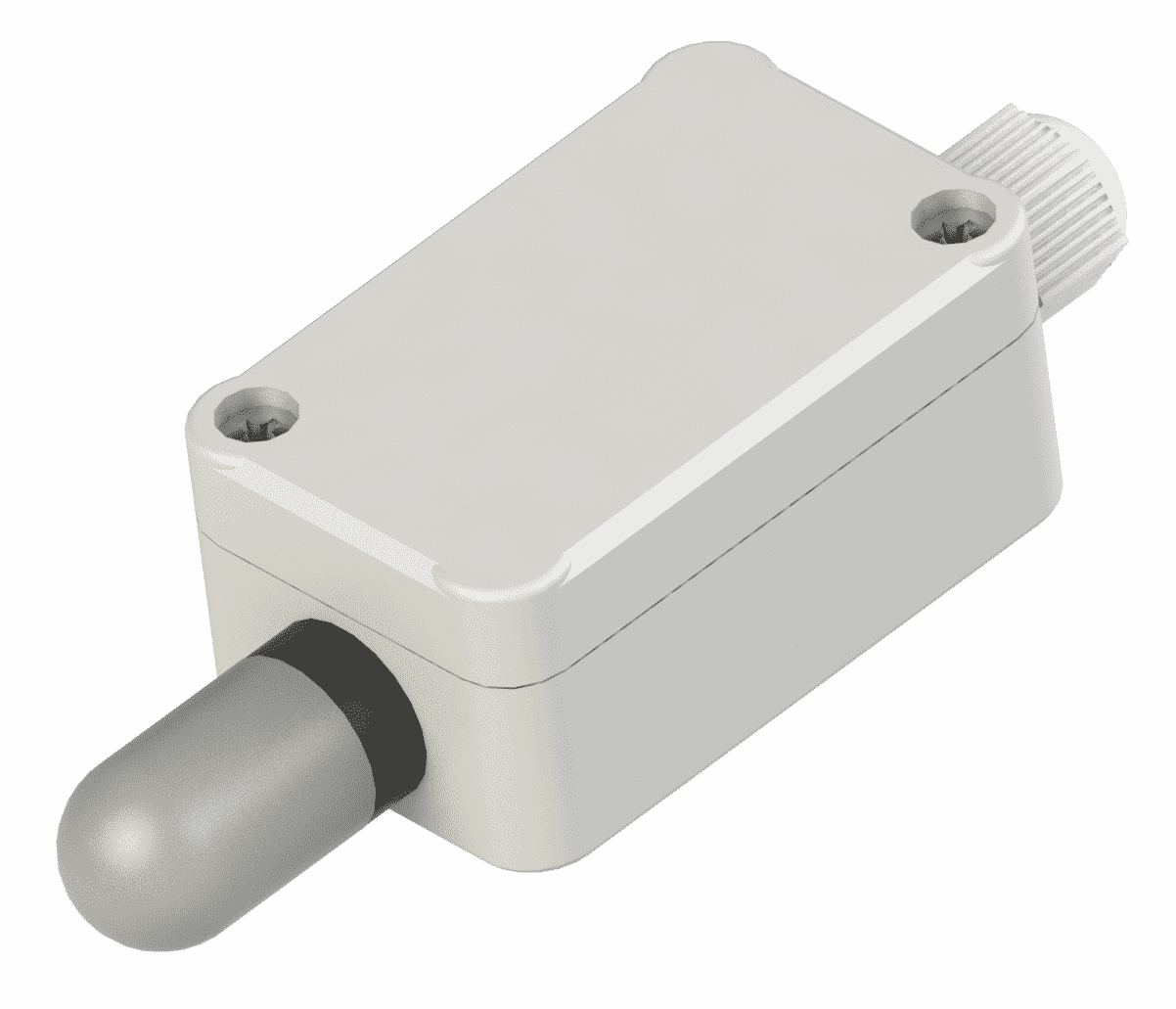
Temperature sensors TSM-001, TSP-001, TXA-001, TXK-001, TZK-001, and TP-001 group 0 are designed for precise measurement of the temperature of surrounding environments, liquids, gaseous, and bulk chemically non-aggressive media in various industrial sectors. Temperature is the most common parameter for monitoring, and preventing overheating is critical for the safe and efficient operation of equipment. Using these sensors ensures stable control of the temperature regime. Resistance temperature detectors (RTDs) operate based on the change in electrical resistance of the material (platinum or copper) depending on temperature, characterized by a linear and reproducible dependence. Thermocouples use a differential principle, generating a signal proportional to the temperature difference between two points. Classification of Txx-001 sensors by type of sensitive element: Resistance temperature detectors (thermometers): TSM-001, TSP-001; Thermoelectric converters (thermocouples): TXA-001 (type K), TXK-001 (type L), TZK-001 (type J); Semiconductor converters: TP-001 (DS18B20). Main technical characteristics: Wiring schemes of sensitive element: two-, three-, four-wire; Types of nominal static characteristics: TSM-001 and TSP-001 with various types of platinum (50M, 100M, Pt100, Pt500, Pt1000, etc.); Thermocouples of types K, L, J respectively for TXA-001, TXK-001, TZK-001; Semiconductor sensor TP-001 with DS18B20 chip. Protective fitting material — stainless steel 12X18H10T; Protection degree — IP54 (protection against dust and moisture); Non-disassemblable design; Insulation resistance not less than 100 MΩ; Tolerance classes — A, B, C for resistance temperature detectors, 1, 2 for thermocouples. For detailed information, certificates, and user manuals, download documents in the DOWNLOAD tab.