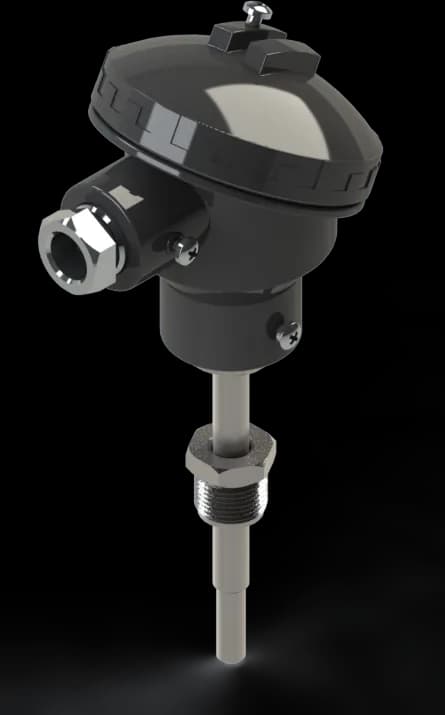
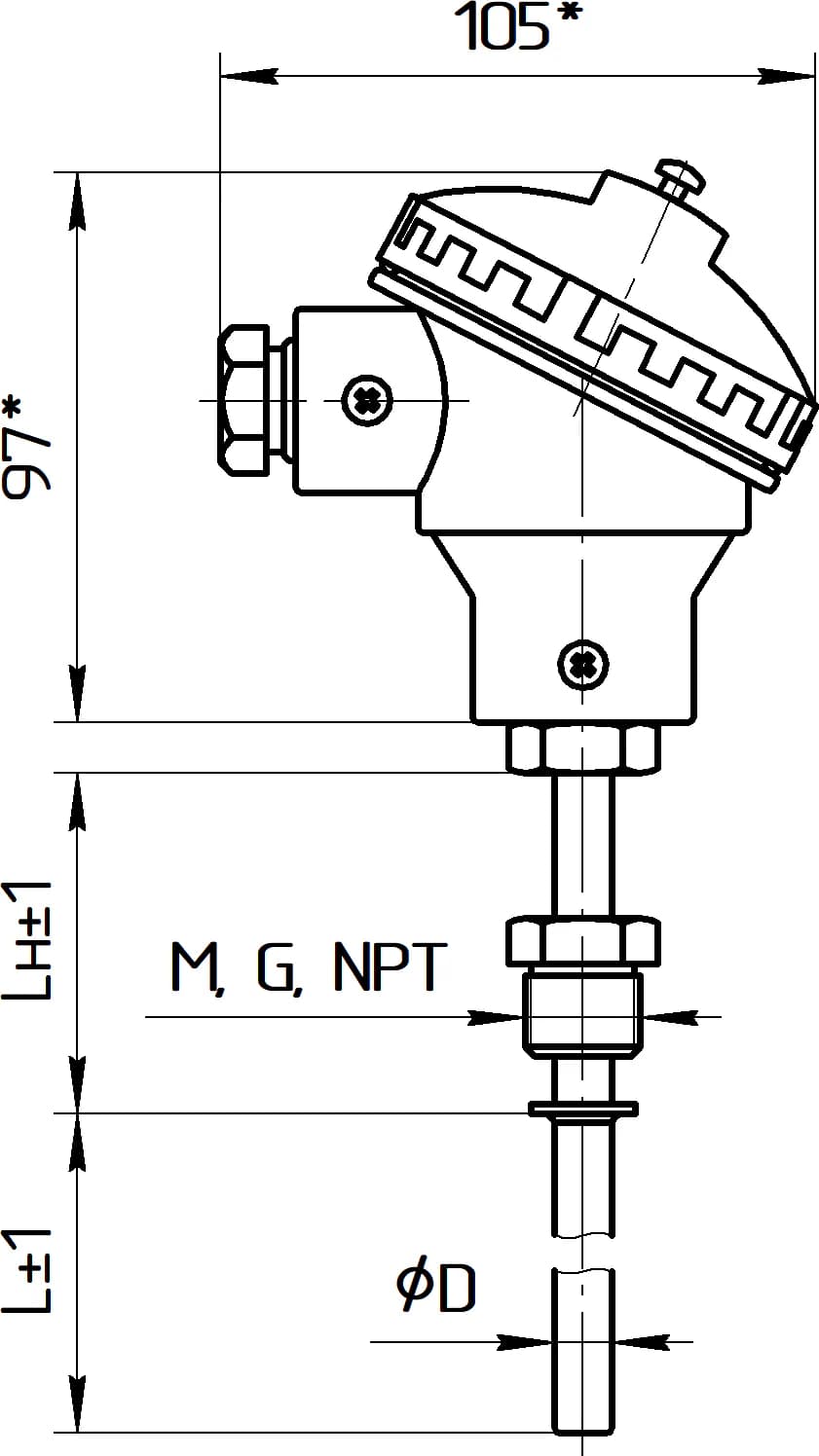
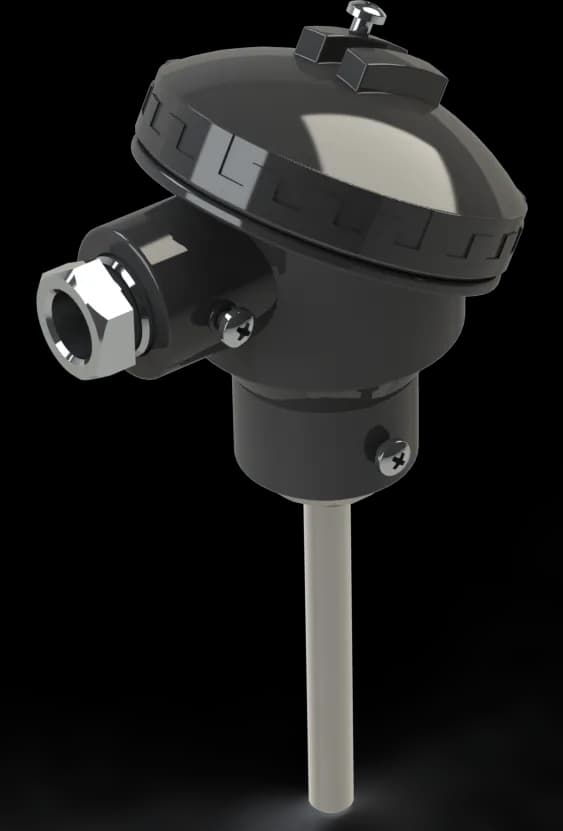
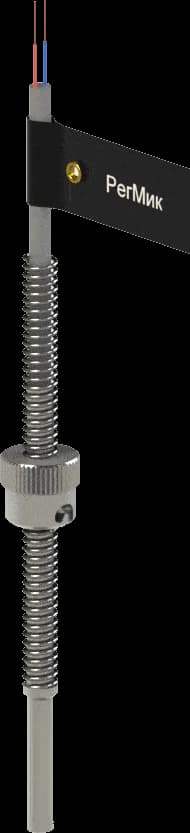
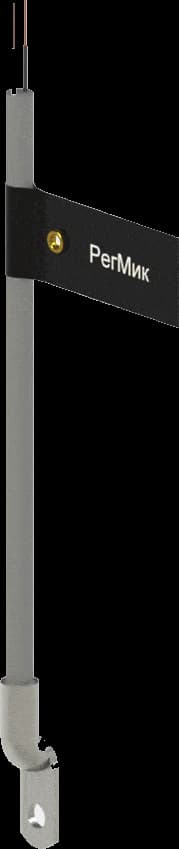
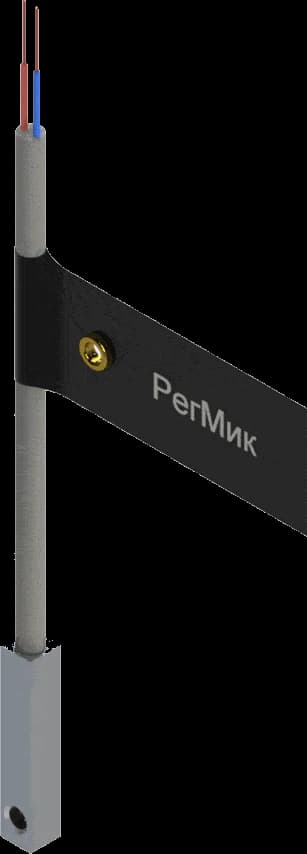
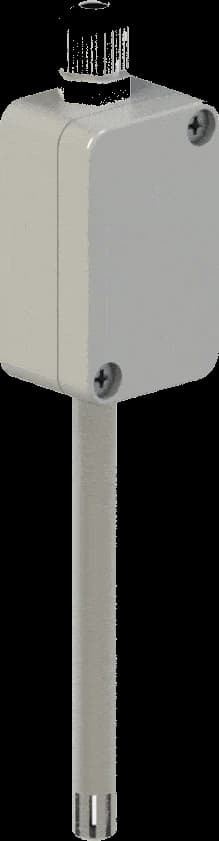
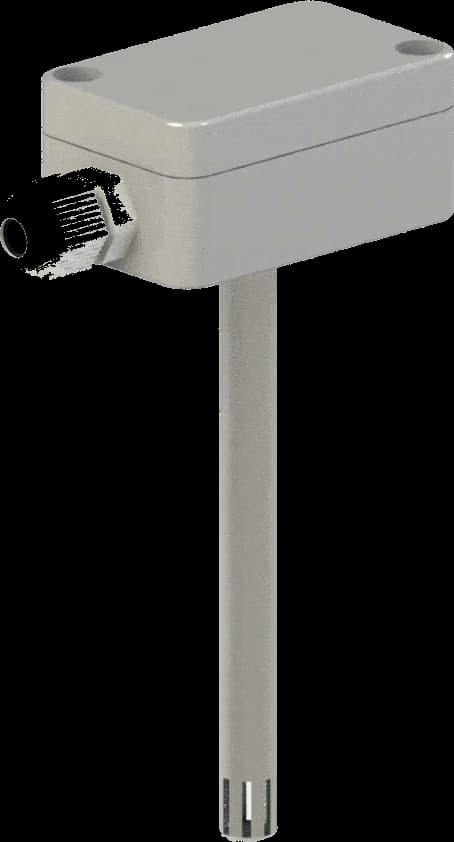
Temperature Sensor with Standardized Output Signal THAU-003, THKU-003, TZKU-003
$ 58.41
Category:
Extra Features
Premium Quality
Secure Payments
Satisfaction Guarantee
Thermocouple with 4-20 mA output (thermoelectric temperature transducer, temperature sensor with a standardized 4-20 mA current output signal) THAU-003, THKU-003, TZKU-003 is designed to convert the temperature of the thermocouple's measuring junction into thermo-EMF and further convert it into a standardized 4-20 mA current output signal. Thermocouples are used for measuring the temperature of liquid, bulk, and gaseous media which do not contain substances that interact with the material of the protective casing or connecting cable. The application area of thermocouples with a standardized 4-20 mA output signal includes temperature control and regulation systems of technological processes in various industries, agriculture, utilities, and household service. Principle of Thermocouple Operation The thermocouple operates based on the Seebeck thermoelectric effect. A thermocouple has two joined ends; one end is placed in the measuring medium and is called the measuring or hot junction, while the other end, located at the device input connection point, is called the cold junction. Methods of manufacturing the hot junction are shown in Figure 1. When a temperature difference arises between the hot and cold junctions, thermo-EMF is generated in the circuit, whose value is fed to the input. Figure 1 – Methods of Hot Junction Manufacturing The measuring junction is placed inside the protective casing. Thermocouple junctions are made in various configurations. Junctions can be grounded or ungrounded, and two-element thermocouples can be isolated or non-isolated. Configurations of hot junctions are shown in Figure 2. Figure 2 – Hot Junction Configurations Grounding of the thermocouple junction occurs if the junction of the thermocouple is connected to the primary converter’s casing. Grounded junctions have better thermal conductivity, which increases response speed. However, grounding also makes thermocouple circuits more susceptible to electrical interference that can distort the thermocouple voltage signal if the measuring instrument does not provide electrical isolation. All high-quality measuring converters and input/output boards provide electrical isolation as standard. A grounded junction is also more prone to contamination by chemical impurities over time. A thermoelectric transducer with an exposed junction has a hot junction protruding from the sealed end of the casing, which ensures high response speed. Sealing prevents moisture or other contaminants from entering the casing. Such thermocouples are usually used only in non-corrosive gases, for example, in air ducts. Ungrounded junctions occur when thermocouple elements are not fused with the primary converter casing but are surrounded by insulating powder. Ungrounded junctions have somewhat lower response speed than grounded ones but are less susceptible to electrical noise. Structurally, a thermocouple with a 4-20 mA output (modification – 003) is a temperature sensor modification 002 with a built-in printed converter circuit for 4-20 mA output in the terminal head. Temperature Sensors with Standardized Output Signal: convert resistance value into a current signal (4..20 mA) proportional to temperature; measure and transfer measured temperature values via RS-485 interface (ModBus RTU protocol). Sensor Features: minimum mounting section length 60 mm; powered by 24 V DC power supply.