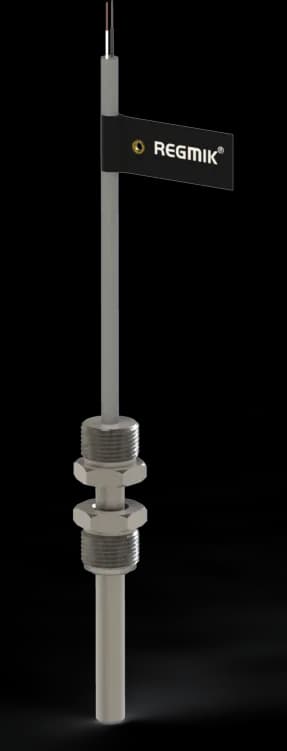
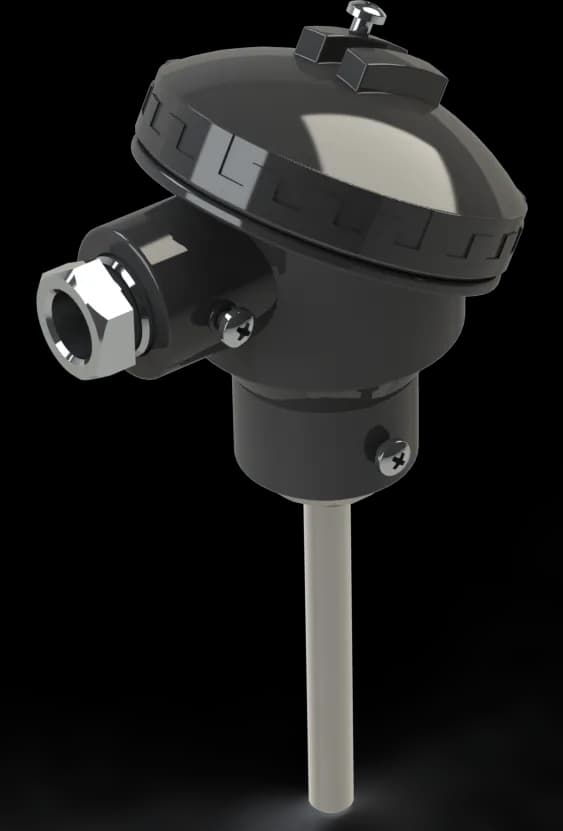
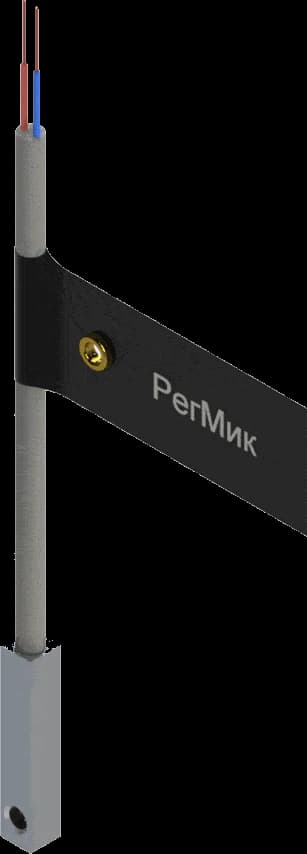
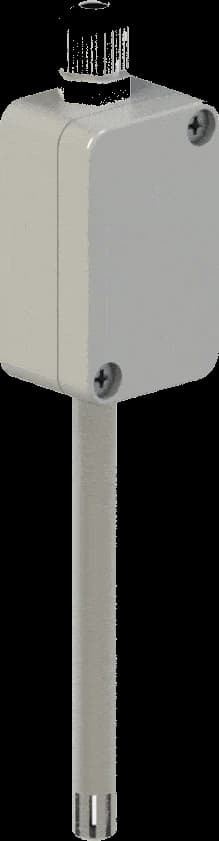
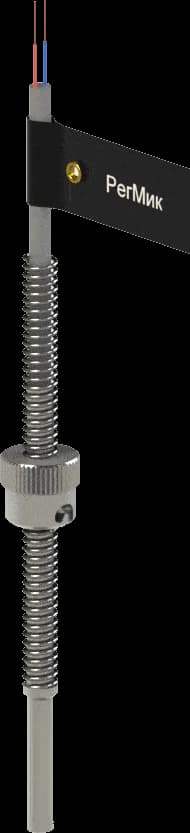
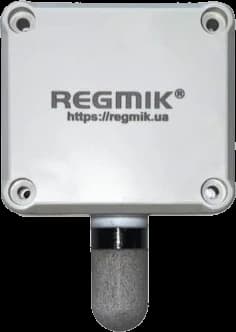
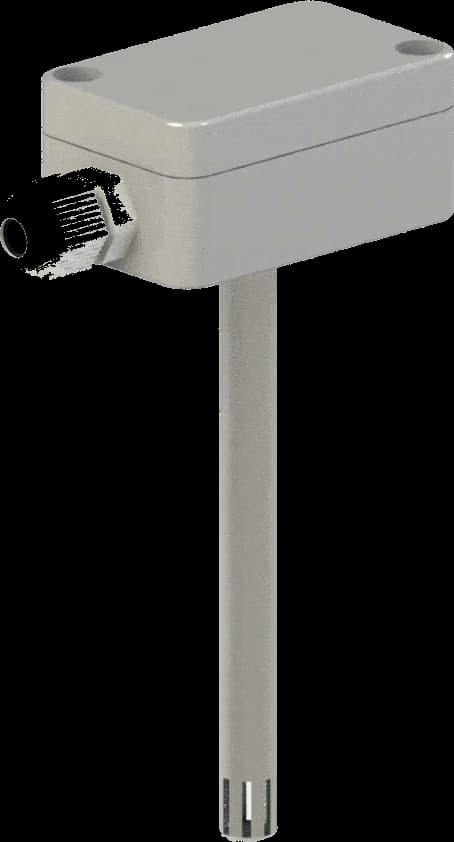
High-temperature temperature sensor TXA-210, TXK-210
$ 13.14
Category:
Extra Features
Premium Quality
Secure Payments
Satisfaction Guarantee
High-temperature temperature sensor TXA-210, TXK-210 (thermocouple, thermoelectric converter, temperature sensor) is used in many industries for measuring the temperature of air, exhaust gases and their combustion products, and other chemically non-aggressive media in the temperature range from -40 to 1000 °C. The range of temperatures measured by the sensors directly depends on the chemical composition of the measuring element. The main measuring element of such sensors is a segment of thermoelectrode wire sequentially connected from two dissimilar electrically conductive metals, called a "thermocouple." According to its purpose and design, a thermocouple can be immersion or surface, hermetic or non-hermetic (with or without a sheath), shock-resistant, stationary, portable, etc. Features: Has low thermal inertia indicators. Short-term operation of sensors is possible at 1100 °C. Since the protective beads are made of ceramics, care must be taken during installation and operation to avoid impacts on the thermotransducer. Not used for measuring the temperature of liquids, melts containing nitric acid and nitrates, and should not be applied in atmospheres with increased sulfur and ammonia content. Type characteristics: TXA - K -40..1000 °C TXK - L -40..600 °C TZHK - J -40..600 °C Type K (chromel-alumel thermocouple): Widely used in various fields from -100 °C to 1000 °C (recommended limit depends on the diameter of the thermoelectrode); In the range from 200 to 500 °C, a hysteresis effect occurs, i.e. readings during heating and cooling may differ. Sometimes the difference reaches 5 °C; Used in neutral atmosphere or atmosphere with excess oxygen; Readings decrease after thermal aging; Not recommended for use in rarefied atmosphere because chromium can precipitate from Ni-alloy (so-called migration), the thermocouple then changes EMF and shows underestimated temperature; Sulfur atmosphere is harmful to the thermocouple as it affects both electrodes. Type J (iron-constantan thermocouple): Not recommended for use below 0 °C because condensation of moisture on the iron lead leads to rust formation; The most suitable type for rarefied atmosphere; Maximum operating temperature is 500 °C, since above this temperature rapid oxidation of leads occurs. Both leads quickly deteriorate in sulfur atmosphere; Readings increase after thermal aging; Advantage is low cost. Accuracy class: TXA - 1,2,3 TXK - 2,3 TZHK - 1,2 Possible version with terminal block TXA-210k